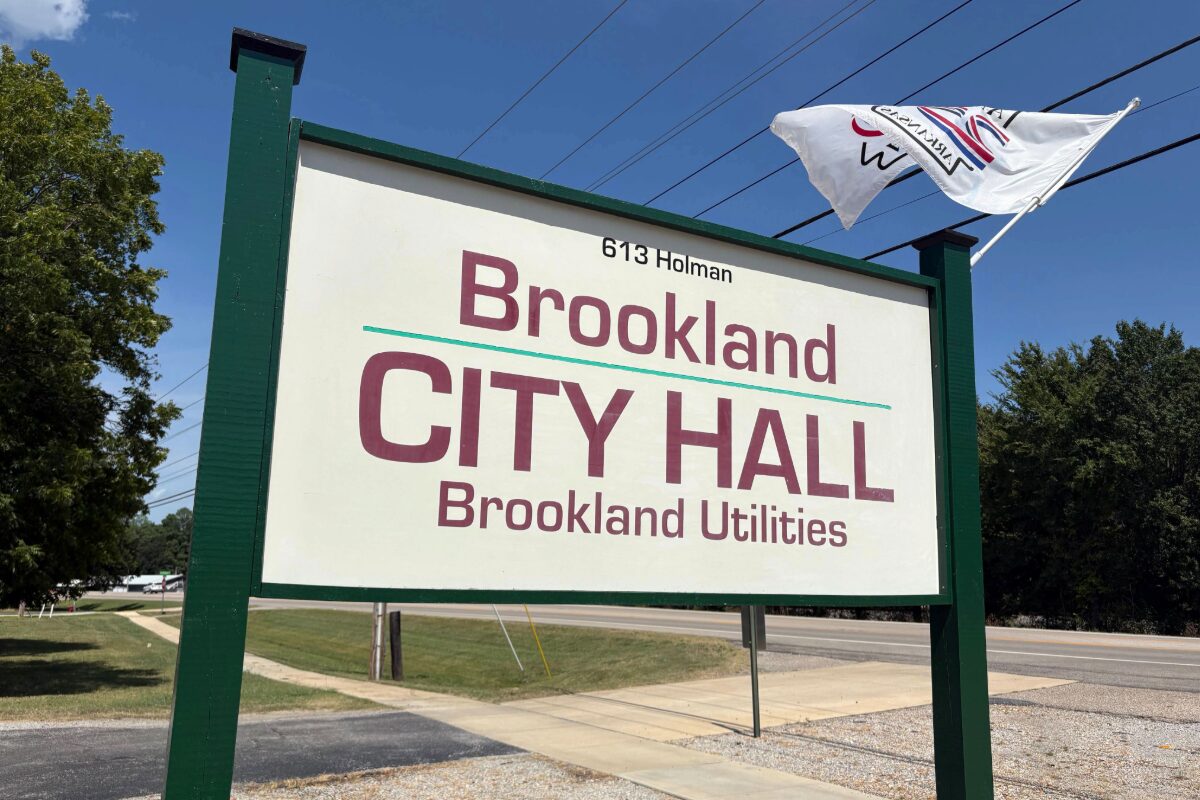
Brookland, AR – Jonesboro Right Now – Brookland voters are considering whether to refund and refinance the city’s existing municipal bonds, and the city’s mayor is explaining how the bonds work and how they will be repaid.
The bonds, which total $27,555,000, will pay for additional city projects to accommodate Brookland as it grows over the years. If approved, they would pay for the second phases of Brookland’s sportsplex and municipal building, additional sewer improvements, more storm shelters and sirens across the city, and various traffic and road improvements.
Voters will vote on restructuring the bonds, as well as each individual improvement, separately. Brookland Mayor Kenneth Jones said if the restructuring fails, then the proposed projects will not have their funding. Even if the bond restructuring fails at the polls, Jones said the 2% sales tax will remain until the existing bonds are paid off.
“If we’re fortunate enough that the citizens support us, we’ll able to complete a lot of projects that we have in the works,” Jones said.
| ADD US ON GOOGLE NEWS: Click here to see more local news from Jonesboro Right Now
The bonds do not represent a tax increase to the public, rather, they are paid off using the city’s existing 2% sales tax, which was initially levied in 2015 to fund municipal water improvements. In 2021, the bonds were restructured to pay for other Brookland improvement projects, such as the first phases of the city’s sportsplex and new municipal building, as well as sewer improvements.
“The city does not receive any of this 2% sales tax. That goes toward the bonds. We do not receive any revenue,” Jones said.
If voters approve the bonds, they will be sold in January 2027. From there, the city will complete a request for proposal with banks, to determine which bank is to be the bonds’ trustees.
“That will all go to that trustee and be set up individual accounts that was voted on,” Jones said. “The street improvements, the municipal building improvements, everything that’s on the ballot will have its own account.”
Funds in these bond accounts are restricted to only be used on that specific bond project. For example, funds designated for the second phase of the city’s municipal building must be used for that project. Any money left over will immediately go toward paying off the bond.
“People think we get the money and we’re in control. We’re not,” Jones said. “We’re audited on this every year, and we have to be accountable for it. Even though we don’t have the money, we got to have the documentation showing where it goes.”
As work reaches certain milestones and is eventually finished for each bond project, city engineers and inspectors will double check the projects and ensure they meet city standards. Following city approval, it will send a payment request to the bond trustee, paying contractors.
| PREVIOUS COVERAGE: Brookland Voters to Consider Bond Restructuring to Fund More Improvement Projects in November
Two of the issues in the bonds would see the city work with the Arkansas Department of Transportation to improve the intersections of Highway 49 and School Street, and Highway 49 and Pine Log Road, as well as to construct a new city street in an effort to reduce school traffic congestion.
The bonds also allocate funds for the installation of new community storm shelters, of which the city currently has only one. If approved, the bonds will fund a new, larger storm shelter, as well as smaller ones throughout the city, as well as installing additional tornado sirens.
The bonds would complete construction of Brookland’s sportsplex, with the next phase of construction to see the installation of concession stands, fencing, and lighting. This is a shovel-ready project, Jones said. The second phase of the city’s municipal building would also be funded by the bonds if they are approved, which will include space for city council chambers, new offices, and more.
The bonds, if approved, will be issued based on them taking 30 years to pay off. In a newsletter sent to Brookland residents earlier this month, Jones said that based on the city’s projected growth and sales tax collections, it will likely take fewer than 30 years to pay off. He further noted that once the bonds are paid off, the 2% sales tax will sunset.
If the bonds fail at the polls, Jones said the city will still look into other ways to fund needed improvements. “We’re going to continue trying to do the best for the city,” he said.
Regardless, he encouraged citizens to get out and vote: “This decision is going to affect generations to come,” he said.
Early voting for the 2026 general election began Oct. 19 and will conclude Nov. 2. Election Day will be Tuesday, Nov. 3. Click here for a sample ballot.
| DAILY BRIEF: Sign up for the Jonesboro Right Now Daily Brief Newsletter